Watercolor Baby Bear Clipart: Gentle Charm for Every Project
There’s something instantly disarming about a softly painted bear cub with dewy eyes and a fuzzy watercolor edge. Watercolor baby bear clipart has become a go-to design asset for creators who want to evoke warmth, nostalgia, and quiet comfort without relying on overly cartoonish or generic stock imagery. Whether you’re building a brand identity for a boutique nursery, designing a baby shower invitation, or layering illustrations into social media graphics, these hand-painted bears bring a tactile, storybook quality that feels both premium and personal.
In this guide, we’ll explore what makes watercolor baby bear clipart unique, where it works best across creative and commercial projects, and how to choose the right set for your specific needs. You’ll also get practical advice on pairing these illustrations with typography and ensuring your project maintains consistency, professionalism, and audience engagement.
The Visual Personality of Watercolor Baby Bear Clipart
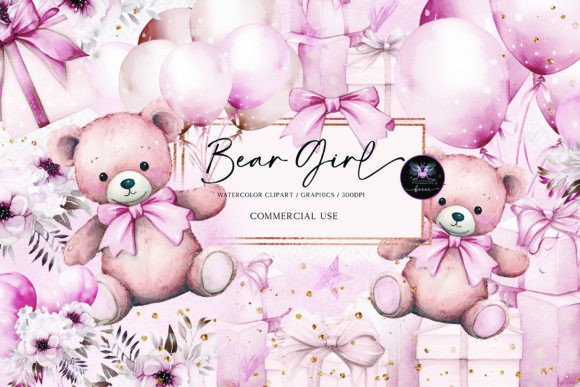
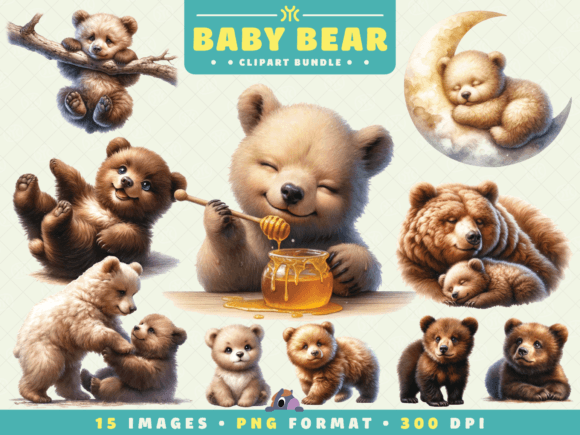
Watercolor baby bear clipart stands out because of its soft edges, translucent washes, and gentle color palettes. Unlike crisp vector icons or flat illustrations, these bears carry the organic texture of real watercolor paper. You’ll often see subtle gradients, light splatter effects, and uneven brush strokes that give each bear a handcrafted feel. The bears themselves are typically depicted in sleeping or sitting poses, often holding a honey jar, a tiny flower, or a balloon. Their expressions lean toward sleepy contentment or curious innocence, rarely exaggerated or loud.
This style works beautifully for projects that require a gentle visual hierarchy. Because the bears are rendered in soft hues—blush pinks, warm grays, dusty blues, and pale yellows—they don’t overpower other design elements. Instead, they act as anchors that draw the eye without screaming for attention. For designers working on editorial design or packaging for organic baby products, this understated charm aligns perfectly with modern preferences for minimal, nature-inspired aesthetics.
From a personality standpoint, watercolor baby bear clipart feels friendly but not childish. It straddles a line between whimsy and sophistication, which makes it suitable for both personal projects and professional brand identity work. A baby clothing label might use it on hang tags, while a children’s book publisher could feature it on a cover without the art feeling dated or cheap.
Where Watercolor Baby Bear Clipart Delivers Real Value
The versatility of watercolor baby bear clipart is one of its strongest selling points. Here’s where it tends to perform best across different media and audiences.
Brand Identity and Logo Design
Small business owners in the baby, maternity, or early childhood space often struggle to find imagery that feels both professional and warm. A watercolor baby bear can serve as a memorable logo mark or a supporting graphic on packaging. Paired with a clean sans serif font like a rounded geometric or a soft humanist, the bear establishes an immediate emotional connection. For an organic skincare line, a bear holding a lavender sprig communicates natural ingredients without a single word of copy. Because the artwork is inherently soft, it also works well as a watermark or a subtle background element on boxes and tags.
Social Media Graphics and Digital Content
Bloggers and content creators frequently need graphics that stop the scroll without feeling overly promotional. Watercolor baby bear clipart adds a layer of visual texture that plain text or flat icons lack. A baby sleep consultant might use a sleeping bear as a backdrop for a quote post about bedtime routines. A mom blogger could layer it behind a headline for a product review. The key is letting the bear breathe—avoid overcrowding it with heavy typography or competing illustrations. When used sparingly, it becomes a signature visual that followers start to associate with your brand.
Print Projects and Editorial Design
Printable baby shower games, birth announcements, nursery wall art, and greeting cards all benefit from the tactile warmth of watercolor bears. Because the clipart is typically provided in high-resolution PNG files with transparent backgrounds, you can drop it into a layout without worrying about clipping paths. For editorial design in parenting magazines, a watercolor bear can open a feature story on soothing techniques or sit beside a column on baby nutrition. The soft edges also make it a natural fit for scrapbooking and memory books, where the goal is to preserve a gentle, handmade aesthetic.
Packaging Design for Small Brands
Packaging designers for artisan products—think organic baby lotions, handcrafted toys, or boutique gift baskets—often look for imagery that communicates purity and thoughtfulness. Watercolor baby bear clipart fits that brief perfectly. On a baby blanket packaging box, a bear curled up in a watercolor wash reinforces softness and comfort. The irregular brush strokes even lend a bespoke feel, as if each package features an original painting. For brands that value sustainability, the natural look of watercolor aligns with eco-conscious messaging better than polished, computer-generated icons.
How Watercolor Baby Bear Clipart Shapes Readability, Hierarchy, and Brand Perception
It might seem odd to talk about readability in the context of clipart, but visual hierarchy and audience engagement are directly influenced by the artwork you choose. Watercolor baby bear clipart tends to have low contrast—its edges blend into backgrounds, and its colors are muted. While that creates a calming effect, it also means you need to plan your typography around it carefully.
For headlines or call-to-action text, pair the bear with a strong sans serif font or a clean serif with sufficient weight. A light handwritten font layered directly over a bear with little contrast can muddy your message. Instead, place the bear in a corner or use it as a border element, and let your text occupy the clear space around it. This preserves both the art’s integrity and your copy’s legibility.
From a brand perception standpoint, watercolor baby bear clipart signals authenticity and care. It’s the opposite of a clipart image that feels like an afterthought. When a customer sees this style on packaging or a website, they subconsciously register that the brand invested time in sourcing unique design assets. For entrepreneurs building a premium baby brand, that attention to detail can justify a higher price point. For publishers and bloggers, it builds trust by making the content feel curated rather than generic.
In terms of visual hierarchy, the bear can serve as either the hero element or a supporting texture. If you’re designing a social media graphic where the bear is the focal point, keep your font pairing minimal—use a single bold word or short phrase. If the bear is a background element, you can afford more elaborate typography as long as the contrast ratio remains strong. Testing your composition on a phone screen is a good habit, because soft watercolor details can get lost at small sizes.
Practical Guidance for Choosing and Using Watercolor Baby Bear Clipart
Not all watercolor baby bear clipart is created equal. Here are a few real-world considerations to help you pick the right set and use it effectively.
Evaluate the quality of the watercolor texture. Look for clipart that has genuine brush variation—some areas lighter, some more saturated. Cheap digital reproductions often look flat or pixelated when scaled up. Preview the art at the size you intend to use it. If the bear looks muddy or the edges are harsh, move on. Premium clipart sets typically include multiple poses and color variants, which gives you flexibility across different projects.
Consider the color palette. A good watercolor baby bear set should work with your existing brand colors or the mood you’re trying to create. If your brand uses cool blues and grays, a bear with warm yellow undertones might clash. Many designers keep a few sets on hand—one in soft neutrals, one in pastel tones, and one in slightly more saturated hues for seasonal projects. This way you’re not forcing a single style into every application.
Don’t forget commercial licensing. If you’re using the clipart for any paid project—product packaging, client logos, print-on-demand items, or digital products for sale—check the license terms carefully. Many watercolor clipart sets on marketplaces like Creative Market or Etsy include both personal and commercial use, but they may limit the number of copies printed or require attribution. For entrepreneurs scaling a brand, look for extended commercial licenses that cover unlimited print runs and merchandise. This one step can save you from legal headaches down the road.
Pair with complementary typography. Watercolor baby bear clipart often pairs beautifully with handwritten fonts, but be careful not to double up on texture. If the font has heavy brush strokes, the design can look messy. Instead, choose a clean script or a rounded sans serif that balances the art’s organic feel. For a more modern look, try a geometric sans serif with low contrast. For a vintage storybook feel, a gentle serif with bracketed serifs works well. The goal is to let the bear feel like the art and the type feel like the anchor.
Test for consistency across media. A bear that looks charming on a phone screen might feel too faint when printed on uncoated paper. Request a physical proof if possible, or print a small test run before ordering in bulk. Digital designers should also check how the clipart renders on different screens—some watercolor textures lose their nuance on lower-resolution displays. Always export at a resolution that retains the brush details, typically 300 DPI for print and at least 150 DPI for web.
Making Watercolor Baby Bear Clipart a Core Part of Your Creative Toolkit
Watercolor baby bear clipart isn’t just an asset for one-off projects. It can become a recurring visual element that strengthens your brand identity over time. By using the same bear illustration across your website, packaging, social media, and printed materials, you create a cohesive experience that customers recognize instantly. That repetition builds trust and reinforces the gentle, approachable personality you want to project.
For designers and content creators, this style of clipart also reduces the time spent searching for unique imagery. Once you’ve found a set that aligns with your aesthetic and licensing needs, you can reuse it across multiple seasons and campaigns. Add a small floral crown for spring illustrations or swap the bear’s color tint for a holiday promotion. The flexibility of watercolor elements allows for easy customization without starting from scratch.
Ultimately, watercolor baby bear clipart succeeds because it makes ordinary projects feel personal. It’s a small detail that says someone took the time to choose art that matters. Whether you’re designing for a client, building your own brand, or creating keepsakes for family, this gentle bear can be the thread that ties your work together with warmth and intention.