Watercolor Mallard Duck Clipart in Modern Design
Every designer knows the struggle of finding clipart that feels alive rather than stiff. Watercolor mallard duck clipart solves that problem with organic textures, soft color blends, and the unmistakable charm of hand-painted artwork. Whether you are branding a nature-inspired product, building content for a wildlife blog, or crafting invitations for an outdoor event, this style of clipart brings warmth and authenticity that flat vector illustrations often lack.
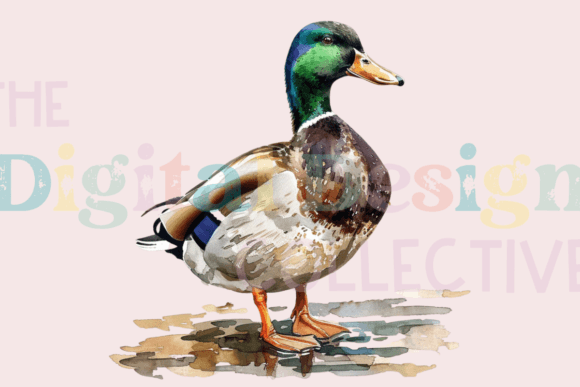
The appeal lies in its unpredictability. Real watercolor carries subtle variations in opacity, edge softness, and color pooling. When translated into clipart form, those qualities survive. The result is a set of images that feel like original paintings rather than mass-produced graphics. Mallard ducks, with their iridescent green heads, chestnut chests, and gray-brown bodies, are especially suited to watercolor treatment. The medium captures the sheen on feathers and the gentle gradients of natural light in a way that solid fills cannot.
Visual Characteristics That Set It Apart
Watercolor mallard duck clipart typically features loose, expressive brushwork. Edges may bleed slightly into the background, emulating wet-on-wet painting techniques. Colors layer naturally—deep teal and emerald for the head, warm rust and caramel for the breast, soft grays and blues for the body and wings. Some sets include splatter effects or wash textures that add an artistic, handcrafted feel.
These clipart packs often come with multiple poses: swimming, standing, in flight, or with ducklings. The best collections offer isolated ducks on transparent backgrounds as well as compositional arrangements with water ripples, cattails, or lily pads. The watercolor style softens the overall look, making the ducks feel gentle and approachable rather than hyper-realistic or clinical.
For designers, this means the clipart works beautifully in projects where you want to convey natural beauty, serenity, or a handcrafted aesthetic. The style avoids the cold precision of digital-only artwork and instead invites the viewer into a more tactile visual experience.
Where Watercolor Mallard Duck Clipart Shines
This is not a one-trick asset. Watercolor mallard duck clipart finds homes across a surprisingly wide range of applications, from professional branding to personal crafts.
Branding and Logo Design
Small businesses in outdoor recreation, conservation, farming, or rustic hospitality benefit from the organic feel. A watercolor mallard duck logo signals authenticity and a connection to nature. It works especially well for eco-tourism companies, lakefront restaurants, hunting preserves, or wildlife education programs. The soft texture of watercolor also photographs well on signage, merchandise, and digital platforms.
Editorial and Publishing
Magazines, field guides, children's books, and nature blogs use watercolor clipart to break up text without overwhelming it. The duck illustrations add visual interest while maintaining a cohesive, hand-illustrated look. Because watercolor naturally has a lighter visual weight than solid vector art, it pairs well with serif typefaces in editorial layouts. The duck clipart becomes a supporting element rather than a dominating graphic.
Packaging Design
Product packaging for organic teas, honey, wild rice, birdseed, or artisanal snacks benefits from the natural aesthetic. Watercolor mallard duck clipart printed on kraft paper or matte labels creates a premium, artisanal appearance. The hand-painted quality suggests careful craftsmanship, which aligns well with small-batch and farm-to-table branding.
Web Design and Social Media
On websites and social media graphics, watercolor clipart softens digital interfaces. It works well in hero sections, as decorative background elements, or within product photography. Instagram posts featuring watercolor mallard duck clipart tend to perform well because the style feels personal and less corporate. Blog headers, email newsletters, and landing pages also benefit from the warmth it adds.
Personal and Craft Projects
Hobbyists and crafters use this clipart for wedding invitations, baby shower decorations, wall art prints, greeting cards, and scrapbooking. The watercolor look elevates DIY projects without requiring actual painting skills. A simple digital download allows anyone to create professional-looking materials at home.
How Clipart Influences Brand Perception and Readability
Visual assets do more than decorate—they communicate values. Watercolor mallard duck clipart conveys patience, artistry, and a respect for natural subjects. Brands that use this style often want to be perceived as approachable, trustworthy, and environmentally conscious. The texture and softness of watercolor create a visual hierarchy that feels gentle. It draws the eye without shouting.
When placed alongside text, watercolor clipart supports readability rather than competing with it. The lighter contrast and irregular edges allow type to remain dominant. This makes watercolor illustrations ideal for book layouts, posters, and websites where the message matters most. Unlike high-contrast vector art that can overpower a layout, watercolor blends into the design while still adding character.
Consistency is another factor. Using a cohesive set of watercolor mallard duck clipart across a website, packaging, and social media creates a unified brand identity. The repeating style becomes a visual signature. Customers begin to associate the soft, painted look with the brand itself.
Practical Guidance for Choosing and Using Watercolor Mallard Duck Clipart
Not all clipart sets are created equal. When evaluating options, consider a few practical factors that affect how the artwork will perform in your projects.
Evaluate Project Fit First
Ask yourself what role the clipart will play. Is it the primary visual element, or a supporting accent? For logos and hero images, choose a set with detailed, high-resolution ducks. For patterns, backgrounds, or small decorative uses, simpler illustrations may work better. Consider the mood you want to create. Loose, brushy watercolor suggests spontaneity, while tighter, more controlled strokes feel refined and polished.
Test Font Pairings Early
Watercolor clipart pairs best with complementary typography. Sans serif fonts like Lato, Open Sans, or Montserrat keep the layout modern and clean. Serif fonts such as Playfair Display or Cormorant Garamond add elegance and match the handcrafted feel. Script or handwritten fonts can work for accent text but may compete with the organic quality of the watercolor if overused. Test several pairings before committing to a final combination.
Review Included Styles and Formats
Check what the clipart set includes. Does it offer multiple poses? Transparent PNG files? Layered files for customization? Some sets include individual watercolor elements—splashes, leaves, or water ripples—that allow you to build compositions. Others provide pre-made scenes. For commercial use, verify the license covers your intended application. Many designers overlook this step and later face usage restrictions.
Consider Readability and Scale
Watercolor clipart loses detail when scaled too small. Test how the ducks look at different sizes. A mallard duck that reads beautifully on a poster may become a muddy shape on a business card. If you plan to use the clipart across multiple formats, choose a set with clean enough edges to hold up at smaller scales. Similarly, ensure the background transparency is clean so the duck integrates smoothly into your layout.
Commercial Licensing Matters
If you are a designer, marketer, or small business owner creating products for sale, confirm the clipart comes with a commercial license. Some sets restrict usage to personal projects or limit the number of printed copies. Others allow unlimited commercial use. Read the terms carefully. A single overlooked restriction can create legal issues down the road.
Real-World Examples and Recommendations
A children's book illustrator I know uses watercolor mallard duck clipart as reference material for hand-painted characters. She studies the color blending and brush techniques in the digital files to improve her own watercolor practice. Another designer built an entire brand identity for a lakeside bed and breakfast around a single duck illustration. The duck appears on the website, room keys, coasters, and even the welcome signs. The cohesive look helped the business win a local design award.
For bloggers, the clipart works wonders in lead images and pin graphics. A wildlife blogger told me her watercolor duck pins consistently outperform photographs because they stand out in a sea of camera shots. The painted quality feels different, and that difference drives clicks.
If you are just starting with watercolor clipart, try using it in one focused project first. Add a duck illustration to an email header or a product label. See how it changes the feel of the design. Often, the response from clients or customers is immediate—they notice the warmth and ask where you found the artwork.
Watercolor mallard duck clipart is not just a trend. It is a versatile design asset that brings authenticity, texture, and emotional resonance to a wide range of projects. Whether you design for print, digital, brand identity, or personal craft, this style of clipart offers a timeless quality that connects with audiences in a genuine way.